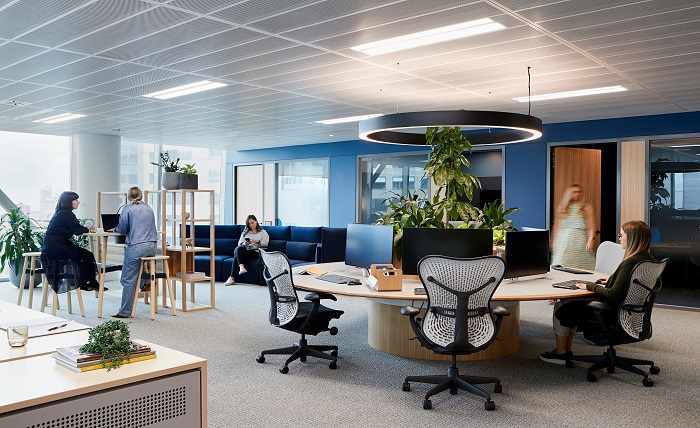
When we think about a thriving workplace, our minds usually go straight to the big things. We picture open floor plans, ergonomic chairs, or a high-tech conference room where the magic happens. We talk about culture and collaboration, but we rarely talk about the literal infrastructure that supports a human being throughout an eight-hour day.
The truth is that the physical environment dictates how we feel. Honestly, it is visceral.
If a workspace feels clinical or neglected, that energy rubs off on the people using it. Have you ever noticed how your mood shifts depending on the room you are in? I guess we’ve all felt that mid-afternoon slump made worse by flickering fluorescent lights and cold, grey walls.
Lately, there’s been a shift in how businesses approach interior design. It’s no longer just about utility. It’s about creating an experience. One of the most overlooked areas in this transformation is facility design, particularly in the details of common areas. If you’re looking for fresh commercial restroom ideas, you’ll find the trend moving toward a more residential, high-end feel. This shift acknowledges that employees and clients are people first, and they appreciate spaces that feel considered and intentional. You know, places that don’t feel like an afterthought.
The Psychology of the Physical Environment
The environment we work in acts as a silent communicator. It tells us whether our comfort’s a priority or if we’re just another gear in a machine. And when a business invests in high-quality materials and thoughtful layouts, it sends a message of stability and care. This is why many companies are moving away from the industrial, cold aesthetics of the past.
Maybe it’s because we’re finally realizing that “functional” shouldn’t mean “soul deaf.”
The modern office is becoming a “hospitality” space. This means taking cues from hotels and boutiques rather than factories. Soft lighting, durable but beautiful textures, and a sense of privacy are becoming standard.
But this transition isn’t just about vanity.
Research consistently shows that a well-designed environment reduces stress and increases overall satisfaction. When people feel comfortable in their surroundings, they perform better. But why do we so often wait until a space is broken to fix it? And that’s the point. Proactive design is a form of respect.
Why Detail-Oriented Design Wins
If you’ve ever walked into a restaurant and noticed the decor was beautiful but the facilities were falling apart, you know how much that disconnect hurts the brand. It feels… off. The same applies to a corporate office or a retail space. Consistency is everything. Every square foot of a building should reflect the same level of quality.
This is where the concept of “micro-environments” comes in. Every room has a purpose, and the design should reflect that purpose while maintaining a cohesive look. For instance, in high-traffic areas, the challenge is balancing durability with style. You need materials that can withstand heavy use without looking like a subway station. So, we’re seeing a rise in matte finishes, stone textures, and integrated technology that minimizes touchpoints while maximizing efficiency.
It’s about the quiet hum of a well-oiled machine.
Sustainable and Smart Choices
Modern design is also heavily focused on sustainability. It’s no longer a niche interest; it’s a requirement for many modern businesses. This includes everything from energy-efficient lighting to water-saving fixtures. However, sustainability doesn’t have to look “recycled.” In fact, some of the most luxurious materials available today are also the most environmentally friendly.
And using long-lasting materials is a form of sustainability in itself.
Replacing cheap fixtures every two years is wasteful and expensive. Investing in high-quality components from the start ensures that the space remains functional and attractive for a decade or more. This long-term thinking is a hallmark of a successful business. But does your current space reflect that kind of longevity? Or does it feel like a temporary fix?
Creating a Sense of Privacy and Comfort
One of the biggest complaints in modern office design is the lack of privacy. While open-concept offices were designed to foster collaboration, they often made people feel exposed. To counter this, designers are now focusing on creating “anchor points” of privacy.
This is especially important in shared facilities. People want to feel that they have their own space, even in a public setting. Enhanced partitions, floor-to-ceiling doors, and sound-dampening materials are all part of this movement. By prioritizing individual comfort, a business demonstrates respect for its staff and visitors’ personal boundaries.
It makes a difference. It really does.
The Role of Maintenance in Perception
You can have the most beautiful office in the world, but if it’s not maintained, the design fails. A major part of the planning process should focus on how easy a space is to keep clean. This is why seamless surfaces and wall-mounted fixtures are so popular right now. They look sleek, but more importantly, they eliminate the corners and crevices where dirt tends to hide.
A clean, well-maintained space is the ultimate sign of professionalism. It shows an attention to detail that clients will assume extends to your work as well. If you care about the state of your floors and the quality of your fixtures, you likely care about the quality of your deliverables.
Honestly, isn’t that what we all want from the people we hire? Someone who cares about the small stuff.
Final Thoughts on the Human Workspace
At the end of the day, a business is just a collection of people. Those people have physical and emotional needs that are directly influenced by the building they sit in. By moving away from the “standard” office look and toward something more humanized and textured, we create better places to work and visit.
Whether it’s through a complete renovation or just a few strategic upgrades, focusing on the quality of your environment is an investment that always pays off. It boosts morale, impresses clients, and creates a workspace that people actually want to be in. In a world where we spend so much of our lives at work, making those spaces feel a little more like home is simply the right thing to do.