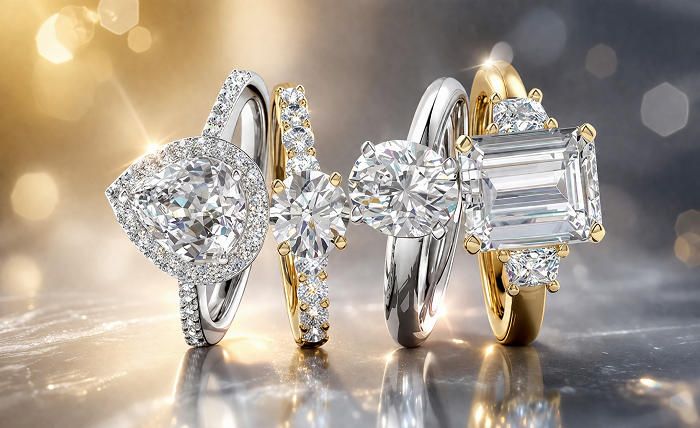
The concept behind monopoly.jewelry represents a growing shift in how jewelry is discovered, marketed, and experienced online. At its core, monopoly.jewelry can be understood as a modern digital identity centered around jewelry commerce, branding, and luxury presentation in a highly competitive online ecosystem. Unlike traditional jewelry stores that rely heavily on physical showrooms, monopoly.jewelry reflects the evolution toward digital-first luxury experiences where aesthetics, storytelling, and brand presence matter as much as the product itself.
In today’s internet-driven marketplace, monopoly.jewelry symbolizes how niche domains and branded platforms are becoming powerful tools for positioning. The use of a structured and memorable domain like monopoly.jewelry helps create a strong digital footprint, allowing businesses or creators to build authority in the jewelry niche. This is particularly important in a market where consumers often begin their buying journey through search engines and visual discovery platforms.
Another key aspect of monopoly.jewelry is its potential alignment with branding strategy. Jewelry is not just a product category; it is tied to emotions, status, gifting culture, and personal expression. By framing itself within a distinct identity, monopoly.jewelry can represent exclusivity and curated experiences rather than mass-market retail.
Ultimately, monopoly.jewelry reflects how modern jewelry businesses must evolve beyond physical storefronts and adopt a more immersive digital presence. Whether it is used for branding, e-commerce, or portfolio showcasing, monopoly.jewelry stands as an example of how domain identity can influence perception and engagement in the luxury accessories market.
The Branding Power Behind monopoly.jewelry
The branding strength of monopoly.jewelry lies in its ability to instantly communicate niche relevance and exclusivity. In the digital age, where attention spans are short and competition is high, a domain like monopoly.jewelry acts as both a keyword and a brand identity. This dual purpose makes monopoly.jewelry highly valuable for businesses looking to position themselves in the jewelry or luxury fashion sector.
From a marketing perspective, monopoly.jewelry benefits from semantic clarity. The word “jewelry” directly signals the industry, while “monopoly” suggests authority, dominance, or uniqueness within that space. This combination creates a psychological impression of leadership in the niche, which can be powerful when building trust with potential customers or partners.
Additionally, monopoly.jewelry can support storytelling-based branding. Jewelry consumers are often influenced by narratives—where a piece comes from, how it was designed, and what it represents. A platform or brand built around monopoly.jewelry can leverage this by presenting curated collections, artisan stories, or luxury lifestyle content that strengthens emotional engagement.
In competitive digital environments, branding is not just visual—it is structural. monopoly.jewelry serves as a structural branding asset that can be optimized for SEO, social media recognition, and influencer collaborations. The uniqueness of the name also reduces confusion with generic jewelry websites, making monopoly.jewelry more memorable and easier to recall.
Overall, monopoly.jewelry demonstrates how a strong domain identity can become the foundation of a premium brand presence in the jewelry industry.
monopoly.jewelry in the Modern E-Commerce Landscape
The role of monopoly.jewelry in modern e-commerce reflects broader trends in online luxury retail. Today’s jewelry buyers expect seamless digital experiences that combine visual appeal, product storytelling, and secure purchasing systems. monopoly.jewelry fits into this ecosystem as a conceptual or operational platform designed to meet those expectations.
One of the most important aspects of monopoly.jewelry in e-commerce is visual merchandising. Jewelry is highly dependent on presentation, and digital platforms must replicate the in-store luxury experience through high-resolution imagery, 3D modeling, or augmented reality previews. monopoly.jewelry can be positioned as a space where such technologies are prioritized to enhance customer confidence.
Another key factor is personalization. Modern e-commerce platforms increasingly rely on data-driven recommendations, and monopoly.jewelry can represent a system where user preferences influence product visibility. Whether through curated collections or AI-based suggestions, monopoly.jewelry aligns with the trend of individualized shopping journeys.
Trust is also central to jewelry e-commerce. Customers purchasing high-value items online require assurance regarding authenticity, certification, and return policies. monopoly.jewelry can symbolize a structured approach to building this trust through transparent product listings and verified sourcing.
As global jewelry sales continue to shift online, monopoly.jewelry stands as an example of how digital-first branding and infrastructure can support long-term growth in the luxury e-commerce sector.
Design Philosophy and Aesthetic Direction of monopoly.jewelry
The design philosophy behind monopoly.jewelry can be interpreted as a blend of luxury minimalism and modern digital aesthetics. In the jewelry industry, design is not limited to physical products; it extends to website layout, branding visuals, and user experience. monopoly.jewelry reflects this holistic approach by emphasizing both product beauty and digital presentation.
Minimalism plays a key role in monopoly.jewelry’s potential identity. Clean layouts, neutral color palettes, and elegant typography are commonly associated with high-end jewelry brands. This aesthetic allows the jewelry itself to remain the focal point while supporting content enhances its perceived value.
Another important design principle for monopoly.jewelry is emotional resonance. Jewelry is deeply personal, often associated with milestones such as engagements, anniversaries, or achievements. A platform like monopoly.jewelry can integrate storytelling visuals that evoke emotion and connection, making each product feel meaningful rather than transactional.
User experience design also plays a crucial role. monopoly.jewelry can represent intuitive navigation, fast-loading pages, and mobile-first responsiveness. Since a large portion of jewelry browsing occurs on mobile devices, optimizing for smaller screens is essential for engagement and conversion.
In essence, monopoly.jewelry embodies a design philosophy where aesthetics and functionality merge. It is not just about showcasing jewelry but about creating a digital environment that feels as refined as the products it represents.
monopoly.jewelry and the Future of Luxury Digital Commerce
The future of luxury commerce is increasingly tied to platforms like monopoly.jewelry, where digital identity and product experience intersect. As consumer behavior evolves, more buyers are comfortable purchasing high-value jewelry items online, provided the platform offers authenticity, transparency, and immersive design.
monopoly.jewelry can be seen as part of a broader transformation where traditional luxury retail is being redefined by digital ecosystems. Virtual showrooms, blockchain-based authenticity tracking, and AI-powered styling tools are becoming standard expectations in the luxury sector.
Another future trend linked to monopoly.jewelry is the integration of social commerce. Platforms like Instagram, Pinterest, and TikTok heavily influence jewelry purchasing decisions. monopoly.jewelry can function as a central hub that connects social inspiration with direct purchasing pathways.
Sustainability is also shaping the future of jewelry commerce. Consumers are increasingly interested in ethically sourced materials and environmentally responsible production. monopoly.jewelry can align with these values by highlighting sustainable practices and transparent supply chains.
Overall, monopoly.jewelry represents more than a domain or brand—it symbolizes the direction in which luxury digital commerce is heading: immersive, transparent, and highly personalized.
SEO Potential and Online Visibility of monopoly.jewelry
From an SEO perspective, monopoly.jewelry holds strong potential due to its keyword-rich structure and niche relevance. Search engines prioritize clarity and authority, and a domain that includes a direct industry keyword like “jewelry” has inherent advantages in ranking potential.
monopoly.jewelry can be optimized for long-tail keywords such as luxury jewelry, custom jewelry designs, or online jewelry shopping. By building content around these topics, the platform can attract targeted organic traffic with high purchase intent.
Content marketing is another key factor in the SEO success of monopoly.jewelry. Blog posts, buying guides, trend reports, and styling tips can help establish topical authority. Over time, this improves domain credibility and search visibility.
Backlink strategies also play a role. If monopoly.jewelry is referenced by fashion blogs, influencers, or industry publications, its authority increases significantly. This creates a positive feedback loop that enhances ranking performance.
In summary, monopoly.jewelry is structurally well-positioned for SEO success if supported by consistent content creation and strategic digital marketing efforts.
Investment and Business Potential of monopoly.jewelry
The business potential of monopoly.jewelry lies in its adaptability across multiple revenue models. It can function as an e-commerce store, a luxury brand platform, a marketplace, or even a digital portfolio for designers and jewelers.
One of the strongest advantages of monopoly.jewelry is its niche specificity. Jewelry is a high-value industry with strong global demand, making it an attractive space for digital investment. Platforms like monopoly.jewelry can monetize through direct sales, affiliate partnerships, or premium listings.
Another opportunity is brand licensing or collaboration. Independent designers and luxury brands may use monopoly.jewelry as a showcase platform, increasing visibility while generating revenue through featured placements or commissions.
Scalability is also a key factor. monopoly.jewelry can expand into global markets without the limitations of physical stores. With proper logistics and digital infrastructure, it can serve customers across different regions efficiently.
Overall, monopoly.jewelry represents a flexible and scalable digital asset with strong commercial potential in the luxury jewelry sector.
Challenges and Opportunities for monopoly.jewelry
While monopoly.jewelry holds significant potential, it also faces challenges common to digital luxury platforms. One of the primary challenges is competition. The online jewelry market is crowded, with established brands and marketplaces dominating search visibility and consumer trust.
Another challenge is building credibility. High-value purchases require strong trust signals, including certifications, reviews, and secure payment systems. monopoly.jewelry must prioritize transparency to overcome skepticism from first-time buyers.
However, these challenges also create opportunities. By focusing on niche positioning and premium branding, monopoly.jewelry can differentiate itself from mass-market competitors. Emphasizing curated collections and exclusive designs can help establish a luxury identity.
Technological innovation also presents opportunities. Features like virtual try-ons, AI styling assistants, and blockchain authentication can set monopoly.jewelry apart in a competitive landscape.
In conclusion, while monopoly.jewelry must navigate challenges in trust and competition, it also has strong opportunities to innovate and lead in the digital jewelry space.
Conclusion
monopoly.jewelry represents a modern interpretation of how jewelry branding, e-commerce, and digital identity intersect. It highlights the importance of strong domain positioning, immersive design, and strategic marketing in the luxury jewelry industry. As consumer behavior continues shifting toward online platforms, monopoly.jewelry stands as a symbol of how digital-first brands can thrive in high-value markets through innovation, trust-building, and storytelling.
FAQs
1. What is monopoly.jewelry?
monopoly.jewelry is a conceptual or branded digital identity representing a modern jewelry-focused platform or online presence in the luxury market.
2. Is monopoly.jewelry an e-commerce store?
monopoly.jewelry can be positioned as an e-commerce platform, depending on its development, focusing on jewelry sales and branding.
3. Why is monopoly.jewelry important for branding?
monopoly.jewelry is important because it combines niche relevance and authority, making it strong for digital branding in the jewelry industry.
4. Can monopoly.jewelry help with SEO?
Yes, monopoly.jewelry has strong SEO potential due to its keyword-rich structure and ability to target jewelry-related search queries.
5. What is the future of monopoly.jewelry?
The future of monopoly.jewelry lies in digital luxury commerce, personalization, and immersive online jewelry shopping experiences.