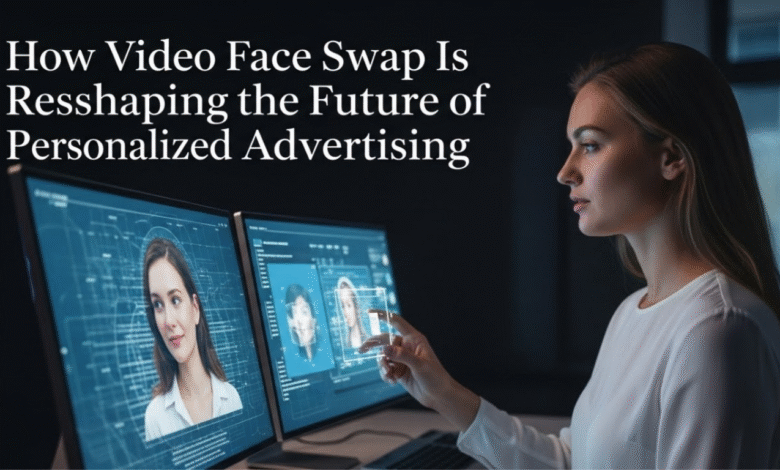
Personalized advertising has become one of the most influential forces in digital marketing. Consumers expect ads that feel relevant, timely, and tailored to their interests. As competition increases across social platforms, brands must discover new ways to personalize content at scale without dramatically increasing production time or cost. One technology that is rapidly transforming this landscape is video face swap.
By combining AI precision with creative flexibility, video face swap tools allow brands to place individuals directly into advertising scenes. This makes content more relatable and more emotionally engaging, giving brands a powerful way to connect with consumers. As advertisers look for innovative ways to break through digital noise, video face swap is emerging as a game changing solution that reshapes personalization strategies.
Why is personalized advertising becoming more important than ever?
Personalized advertising is becoming more important because consumers now expect content that reflects their identity, interests, and preferences.
A report by McKinsey found that 71 percent of consumers expect companies to deliver personalized interactions, and 76 percent become frustrated when businesses fail to do so. This shift in consumer expectation means generic ads are no longer enough to maintain attention.
Digital platforms amplify this trend. Social media feeds, search engines, and streaming services all use algorithms that prioritize personalized content. When ads do not match this level of relevance, they are easily ignored. Because of shrinking attention spans and increasing competition, brands need tools that allow them to deliver personalization quickly and consistently.
Video based personalization offers a deeper level of connection compared to static formats. Research from HubSpot shows that video content produces 48 percent more engagement than static images. Incorporating personalization into video therefore magnifies impact significantly.
How does video face swap elevate advertising personalization?
Video face swap elevates personalization by allowing consumers to appear directly in ad content, making the experience feel uniquely tailored and emotionally relevant.
Traditional personalization methods use names, demographics, or interests. While helpful, these approaches do not create a personal emotional response. Video face swap adds a visual layer of identity, making viewers feel represented in the ad itself.
For example, a consumer could see a version of themselves participating in a fitness routine, exploring a travel location, or trying a product. This taps into what psychologists call the self-reference effect, where information related to oneself is remembered more easily. When users see themselves inside the content, engagement and recall increase dramatically.
Personalized ad experiences also feel more authentic. Instead of seeing actors or models that do not match their appearance, consumers see someone who resembles them, making the message more inclusive and relatable.
Why do brands benefit from using video face swap in campaigns?
Brands benefit because video face swap increases engagement, reduces production costs, and allows large scale personalization without reshooting content.
Producing personalized videos traditionally required filming multiple actors or creating different versions of scenes. This process is expensive and slow. Video face swap removes these barriers by enabling brands to swap faces in an existing video without reshooting anything. This creates new variations of content at a fraction of the cost.
Brands can quickly tailor ads for specific regions, demographics, or audience segments. According to a Nielsen study, personalized video ads deliver up to 4 times higher engagement than generic video ads. Because face swap ads feel more interactive, they naturally perform well across social platforms where personalization is expected.
Marketers also benefit from increased virality. People share content that features themselves or resembles them. When consumers are visually part of the ad, they are more likely to spread it organically.
In the center of these evolving possibilities, brands are using tools like video face swap by Viggle AI to generate expressive, personalized video ads quickly. This eliminates the need for extensive editing or filming, while still producing high quality creative assets.
How does video face swap improve ad performance on social platforms?
Video face swap improves ad performance because social algorithms reward content that is surprising, personalized, and engaging.
Algorithms on TikTok, Instagram, and YouTube prioritize videos with high retention and strong engagement. Personalized face swap ads perform well because viewers typically watch them longer out of curiosity and emotional relevance.
There are several reasons these ads outperform traditional ones:
• They capture attention instantly. Seeing a familiar face in an unexpected scene disrupts scrolling behavior.
• They increase replay value. Users often watch face swap videos multiple times to analyze the visual effect.
• They are highly shareable. Consumers share personalized content more frequently than generic ads.
• They encourage user generated participation. Viewers may want to create their own versions of the ad.
When content performs well organically, paid campaigns become more cost-efficient. Brands enjoy lower CPMs and higher conversion rates because the creative itself drives engagement.
How does face swap technology help brands expand inclusivity?
Face swap technology helps brands expand inclusivity by allowing them to represent diverse audiences without needing to film numerous actors or create separate ad productions.
Inclusivity is no longer optional. A 2023 Adobe survey found that 62 percent of consumers prefer brands that reflect diversity in their messaging. However, producing diverse ads requires casting, reshoots, and complex logistics that many brands cannot execute at scale.
With video face swap, brands can adapt a single commercial to represent many demographics. This ensures broad representation and makes campaigns feel culturally relevant across regions.
For global brands, this is especially powerful. They can show the same message in multiple markets while swapping in faces that match local audiences, all without changing the core creative concept.
This allows companies to maintain brand consistency while delivering high relevance.
What challenges does video face swap solve in modern advertising?
Video face swap solves several key challenges:
• High production costs. Brands do not need multiple shoots to create personalized videos.
• Slow creative turnaround. Ads can be adapted within minutes instead of weeks.
• Limited personalization options. Visual identity becomes part of the personalized message.
• Lack of inclusivity. Diverse versions of the same creative can be produced instantly.
• Content fatigue. Brands can refresh existing footage instead of filming new content.
As advertising budgets tighten and demand for content increases, these advantages make face swap a strategic choice for modern marketers.
What does the future of personalized advertising look like with face swap technology?
The future of personalized advertising will include dynamic, real time ad customization powered by AI, where face swap is integrated into automated marketing systems.
Imagine ads that automatically adjust to show a viewer’s likeness, style preferences, or emotional profile. Marketing platforms may eventually use behavioral data to create hyper personalized video ads at the moment of delivery.
Face swap technology will also merge with virtual shopping experiences, immersive storytelling, and interactive ad formats. Consumers might insert themselves into product demos, travel previews, or entertainment scenes before making decisions.
As AI grows more sophisticated, brands will be able to produce entire campaigns that feel uniquely crafted for each individual viewer.
Conclusion
Video face swap is reshaping personalized advertising by giving brands the ability to create relatable, memorable, and highly tailored video content at scale. It enhances emotional connection, increases engagement, and reduces production barriers while making campaigns more inclusive and cost effective. As advertising continues shifting toward individualized experiences, video face swap will become one of the most important tools for marketers looking to stay ahead in a competitive digital environment.