Exploring the Business Computing World How Technology is Redefining Modern Enterprises

In today’s digital age, the business computing world stands as the backbone of every successful enterprise. From cloud computing to artificial intelligence (AI), from data analytics to cybersecurity, the landscape of business technology has evolved rapidly. Businesses no longer rely solely on traditional tools; they now operate in a data-driven, interconnected environment where technology dictates success, growth, and innovation.
This article dives deep into the vast and dynamic business computing world, exploring its major components, benefits, challenges, and future prospects. Whether you’re an entrepreneur, IT professional, or curious reader, this comprehensive guide will help you understand how computing is shaping business strategies in the 21st century.
Understanding the Concept of Business Computing
What is Business Computing?
Business Computing World refers to the use of computer technology and systems to manage, process, and analyze business data efficiently. It encompasses everything from hardware and software applications to databases, networks, and emerging technologies that streamline operations.
In simpler terms, business computing bridges the gap between technology and management. It enables organizations to automate processes, enhance communication, and make data-driven decisions — all of which are crucial in today’s competitive markets.
Key Functions of Business Computing
- Data Management: Storing, processing, and securing business data efficiently.
- Communication Tools: Utilizing platforms such as email systems, video conferencing, and collaboration tools.
- Business Analytics: Leveraging data to generate insights for better strategic decisions.
- Process Automation: Reducing manual effort through software automation and AI-driven workflows.
- Security: Implementing cybersecurity measures to protect digital assets.
These functions highlight how integral computing has become to every department — from finance to marketing, human resources, and supply chain management.
Evolution of the Business Computing World
The Early Days of Business Computing
The journey of the business computing world began in the mid-20th century when mainframe computers were first introduced to handle massive data calculations. Large corporations used these early machines primarily for accounting and record-keeping.
The Rise of Personal Computers and Networking
In the 1980s and 1990s, the introduction of personal computers revolutionized business operations. Companies could now perform tasks such as document processing, data storage, and internal communication with ease. Networking technologies like Local Area Networks (LANs) further improved collaboration.
The Internet and Digital Transformation
The late 1990s and early 2000s marked the beginning of the digital revolution. The Internet enabled businesses to expand globally, opening new markets and creating opportunities for online commerce. As a result, IT departments became central to business strategies.
Modern Computing: Cloud, AI, and Beyond
Today, cloud computing, artificial intelligence, and big data analytics dominate the business computing world. Businesses can now access powerful computing resources remotely, automate repetitive tasks, and use predictive analytics to make smarter decisions. These advancements have reshaped how companies compete, communicate, and innovate.
The Core Components of the Business Computing World
1. Cloud Computing
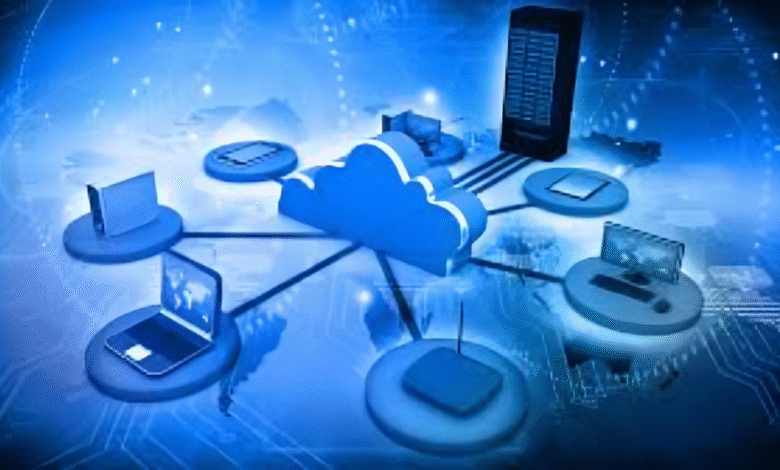
Cloud computing has arguably had the most significant impact on modern business operations. By allowing companies to store and process data on remote servers, it eliminates the need for expensive on-site infrastructure.
Popular platforms like Amazon Web Services (AWS), Google Cloud, and Microsoft Azure offer flexible and scalable solutions. Cloud computing provides:
- Cost efficiency (pay-as-you-go models)
- Scalability (adjusting resources based on demand)
- Remote access (work from anywhere)
- Enhanced collaboration through cloud-based tools
In essence, the cloud is the digital heart of today’s business computing world.
2. Artificial Intelligence (AI) and Machine Learning (ML)
AI and ML are revolutionizing the way businesses operate. From chatbots that provide customer support to algorithms that predict market trends, AI-driven solutions are making operations more intelligent and efficient.
Examples include:
- Predictive analytics in finance and marketing.
- Automation of repetitive administrative tasks.
- Smart recommendation systems used in e-commerce.
- AI-powered cybersecurity tools that detect threats in real time.
The integration of AI into business computing ensures companies stay agile and competitive.
3. Big Data and Business Analytics
Data has become the new currency of the digital economy. Big data technologies help businesses process vast volumes of structured and unstructured data to gain actionable insights.
Business analytics tools such as Tableau, Power BI, and Google Analytics allow organizations to:
- Identify customer behavior patterns.
- Optimize marketing campaigns.
- Improve product design and service delivery.
Harnessing the power of big data allows businesses to make informed decisions with precision and confidence.
4. Cybersecurity
As businesses become increasingly digital, cyber threats have also evolved. Protecting data, applications, and networks has become a top priority.
The business computing world places great emphasis on cybersecurity measures like:
- Firewalls and encryption
- Multi-factor authentication
- Data backup and disaster recovery systems
- Employee training and awareness programs
With cyberattacks becoming more sophisticated, investing in security is no longer optional—it’s essential for survival.
5. Internet of Things (IoT)
IoT connects physical devices — from sensors to smart machines — to the internet, enabling real-time data exchange. In business, IoT is used in logistics, manufacturing, and even customer service to track performance and optimize efficiency.
For instance:
- Manufacturers use IoT sensors for predictive maintenance.
- Retailers analyze customer traffic using smart devices.
- Healthcare providers use IoT to monitor patient health remotely.
This interconnected ecosystem is redefining what’s possible within the business computing world.
Benefits of Business Computing in the Modern Era
Improved Efficiency and Productivity
Technology automates time-consuming tasks, reduces errors, and allows employees to focus on strategic work. Tools like CRM software and ERP systems streamline workflows across departments.
Enhanced Decision-Making
Data analytics empowers leaders with real-time insights. Businesses can forecast trends, measure performance, and respond to challenges more effectively.
Cost Savings
Cloud solutions and automation reduce the need for physical resources and manual labor, minimizing operational costs significantly.
Better Communication and Collaboration
With digital tools like Slack, Zoom, and Microsoft Teams, employees can collaborate from anywhere. This enhances teamwork and fosters innovation.
Competitive Advantage
Businesses that adopt the latest computing technologies gain an edge over competitors by improving service delivery, agility, and customer satisfaction.
Challenges Facing the Business Computing World
Cybersecurity Threats
The more businesses rely on digital platforms, the more vulnerable they become to data breaches and hacking. Maintaining robust cybersecurity measures is crucial but can be costly.
Data Privacy Concerns
With stricter regulations such as GDPR and CCPA, businesses must ensure compliance when handling user data. Failure to do so can result in legal and financial repercussions.
Rapid Technological Change
Technology evolves faster than many organizations can adapt. Staying up to date with emerging trends and training employees is a constant challenge.
Integration Complexities
Combining new technologies with existing systems often requires significant investment and technical expertise.
Dependence on Technology
While technology brings efficiency, overreliance can be risky. System failures or cyberattacks can disrupt entire operations.
The Future of the Business Computing World
1. Quantum Computing
Quantum computing has the potential to revolutionize industries by solving complex problems much faster than traditional computers. Although still in early stages, it could transform logistics, medicine, and finance.
2. Blockchain Technology
Blockchain ensures transparency and security in transactions. It’s expected to play a major role in areas like supply chain management, smart contracts, and secure data sharing.
3. Edge Computing
Edge computing processes data closer to its source, reducing latency. This will be vital for IoT devices and applications that require real-time decision-making.
4. Sustainable Computing
As businesses become more eco-conscious, sustainable computing — using energy-efficient data centers and green technologies — will gain importance.
5. Integration of AI with Robotics
The combination of AI and robotics will redefine automation, leading to smarter factories, warehouses, and customer service systems.
How Businesses Can Adapt to the Changing Computing Landscape
Invest in Employee Training
Continuous learning programs help employees stay updated with the latest tools and technologies.
Adopt a Cloud-First Strategy
Migrating to cloud infrastructure allows for flexibility, scalability, and cost-effectiveness.
Strengthen Cybersecurity Measures
Implement multi-layered security protocols, conduct regular audits, and educate staff on best practices.
Leverage Data Analytics
Encourage data-driven decision-making across all departments to boost performance and innovation.
Foster a Culture of Innovation
Encourage employees to experiment with new ideas and technologies. This mindset keeps the business agile and future-ready.
Real-World Examples of Business Computing in Action
1. Amazon
Amazon uses cloud computing (AWS), AI (Alexa), and big data analytics to manage its massive operations efficiently. Its technology-driven approach has made it one of the world’s most successful companies.
2. Tesla
Tesla’s self-driving cars and automated production lines are powered by advanced computing technologies. AI and IoT help improve safety and performance continuously.
3. Netflix
Netflix uses machine learning algorithms to recommend shows and movies based on user preferences, enhancing user engagement and satisfaction.
4. Walmart
Walmart utilizes data analytics and cloud computing to manage inventory, forecast demand, and improve supply chain efficiency.
These examples show how embracing technology within the business computing world drives innovation and profitability.
Conclusion
The business computing world is the foundation of modern enterprise. It connects every function, from data analysis to customer engagement, enabling businesses to operate smarter, faster, and more effectively.
As technology continues to evolve — with AI, IoT, and quantum computing leading the charge — the businesses that thrive will be those that adapt quickly, embrace innovation, and invest in digital transformation.
In this ever-changing digital era, one thing remains certain: the synergy between business and computing will continue to shape the future of commerce, communication, and creativity.
FAQs About the Business Computing World
1. What does “business computing world” mean?
The term refers to the integration of computer systems, software, and digital technologies into business operations to improve efficiency, productivity, and decision-making.
2. How does cloud computing impact businesses?
Cloud computing reduces costs, enhances flexibility, and allows employees to access data from anywhere, making it essential for modern organizations.
3. Why is cybersecurity important in business computing?
Cybersecurity protects sensitive information, financial data, and digital assets from unauthorized access and cyberattacks.
4. What are the future trends in the business computing world?
Future trends include quantum computing, blockchain, edge computing, and AI-driven automation.
5. How can small businesses benefit from computing technologies?
Small businesses can use affordable cloud services, digital marketing tools, and analytics platforms to compete with larger enterprises and reach a broader audience.